Introduction
Shipping can become one of the most expensive and operationally difficult parts of running an ecommerce business. Once you start selling across more than one channel, shipping is no longer just about buying a label. You need to compare carriers, manage delivery expectations, handle customs, calculate duties and taxes, send tracking updates, and keep customers informed after checkout.
That is where Easyship becomes relevant. Easyship is a cloud-based multi-carrier shipping platform designed to help ecommerce sellers compare rates, print labels, automate fulfillment workflows, manage international shipping, display live rates at checkout, and improve the post-purchase experience.
Easyship is especially strong for brands that sell internationally. It gives you access to a large courier network, tax and duty calculation tools, customs documentation support, branded tracking, pre-paid return labels, and integrations with ecommerce platforms such as Shopify, WooCommerce, Amazon, eBay, Etsy, Wix, Squarespace, TikTok Shop, and more.
In this Easyship review, you will learn how the platform works, which features stand out, how much it costs, where it falls short, and whether it is the right shipping software for your ecommerce business in 2026.
Easyship Overview & Product Evolution
Easyship started as a platform focused on simplifying ecommerce shipping, especially for cross-border merchants. Over time, it has developed into a broader shipping operations platform that supports domestic shipping, international shipping, checkout optimization, automation, tracking, returns, API-based workflows, and global fulfillment support.
The platform is built around a clear idea: ecommerce businesses should not need to negotiate with every courier, calculate international shipping manually, or switch between several carrier portals to fulfill daily orders.
At its core, Easyship helps you:
- Compare rates across hundreds of courier services.
- Buy and print domestic and international shipping labels.
- Sync orders from ecommerce stores and marketplaces.
- Display real-time shipping rates at checkout.
- Calculate import duties and taxes for cross-border orders.
- Create shipping rules and automate repetitive workflows.
- Send branded tracking emails and tracking pages.
- Generate customs documents for international shipments.
- Manage pre-paid return labels on supported plans.
- Use shipping API tools for custom workflows.
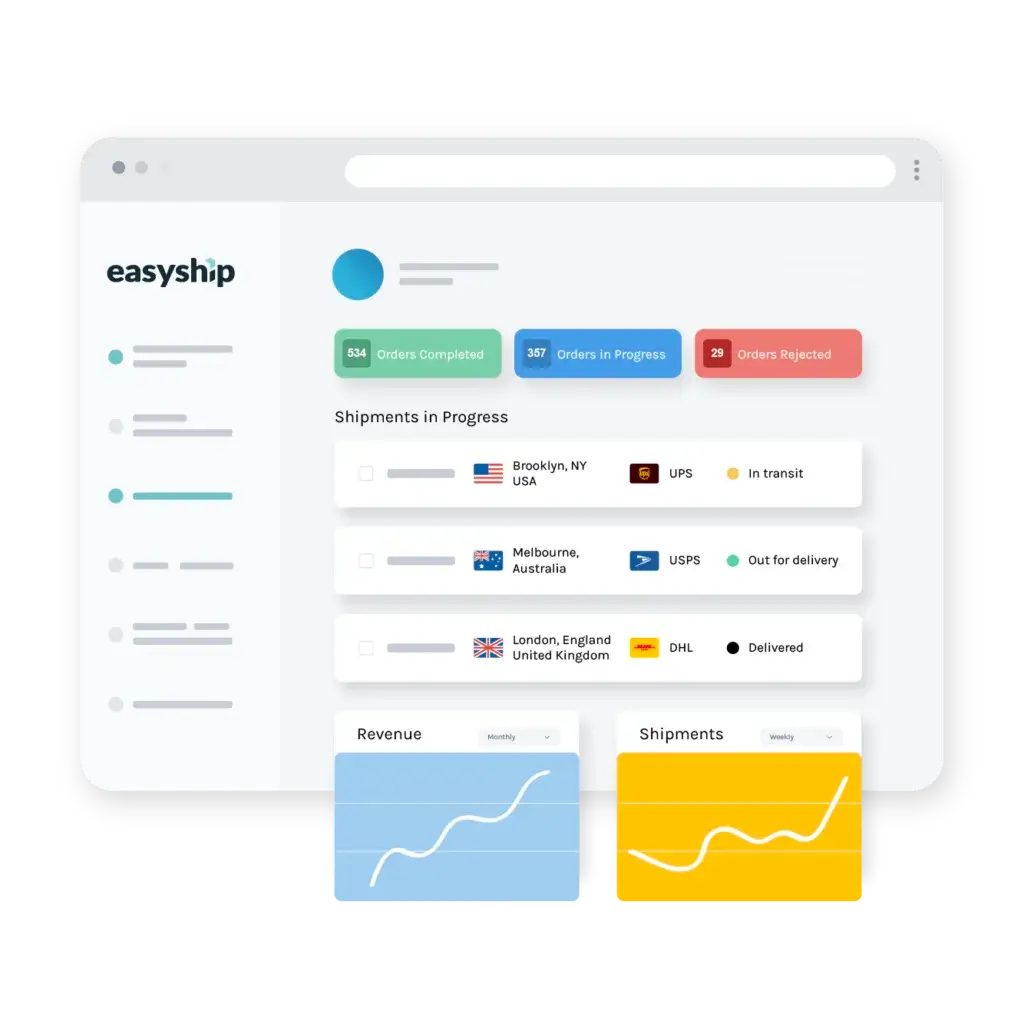
The biggest value is visibility and control. Instead of guessing which courier is best, you can compare price, delivery speed, tracking quality, and service options from one dashboard.
For brands shipping internationally, this is especially useful. Cross-border fulfillment requires more than a cheap label. You need to understand landed costs, delivery timelines, customer-facing shipping choices, and customs requirements before the order becomes a support problem.
Software Specification
Key Features of Easyship
Multi-Carrier Rate Comparison
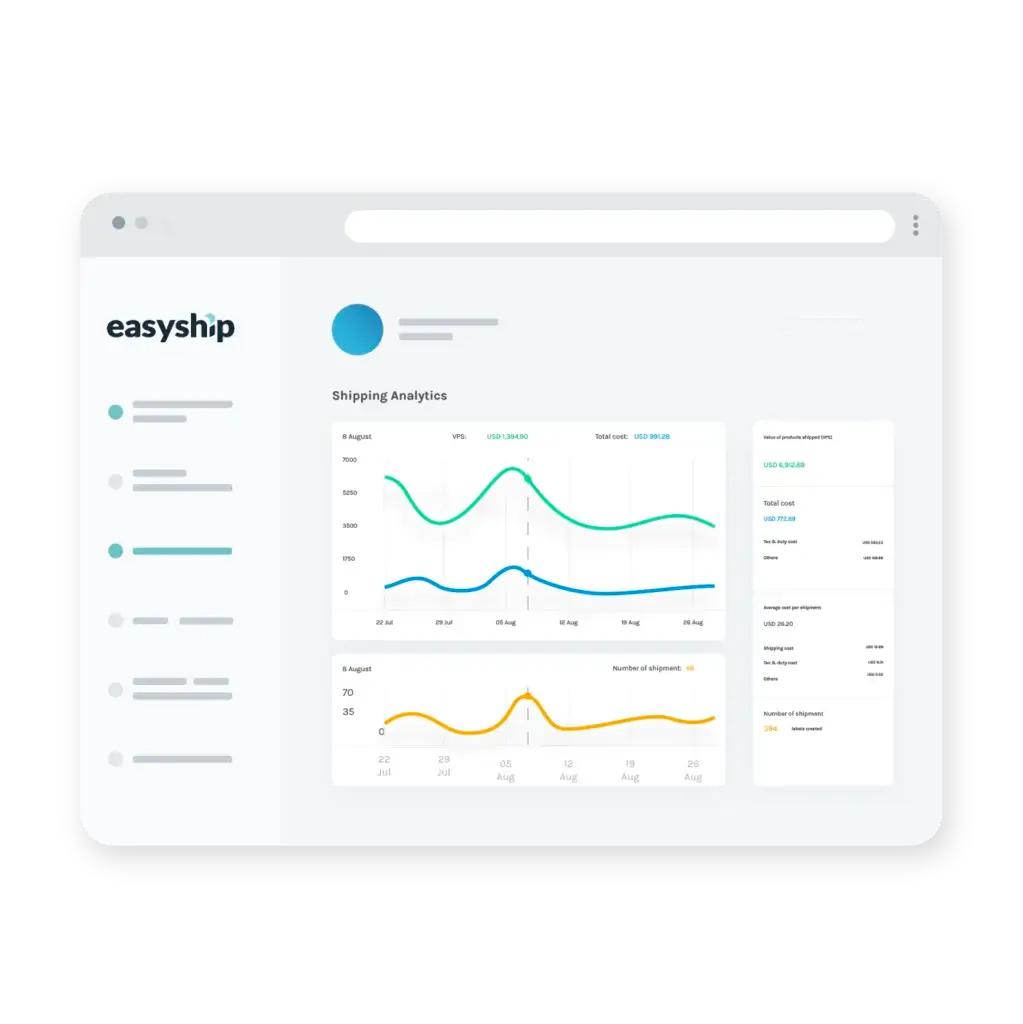
Easyship’s main feature is courier rate comparison. You can compare available shipping services by cost, delivery speed, tracking quality, courier reliability, and destination coverage.
This is important because the cheapest shipping option is not always the best one. A low-cost service may create more customer support issues if tracking is weak or delivery speed is unreliable. Easyship helps you compare options before you buy the label.
The platform is particularly useful when you ship across different regions. Instead of relying on one default carrier, you can choose a courier based on the shipment’s destination, size, weight, delivery promise, and customer expectations.
Discounted Shipping Rates
Easyship gives merchants access to pre-negotiated discounted rates from supported couriers. This can help smaller businesses access better rates without negotiating directly with each carrier.
For low-volume sellers, this is a practical advantage. You may not have enough shipping volume to negotiate strong rates with major carriers, but you can still compare discounted services through Easyship.
For higher-volume sellers, Easyship also supports linking your own courier accounts on supported plans. That means you can compare your negotiated rates against Easyship’s available rates and choose the better option.
International Shipping, Duties, and Taxes
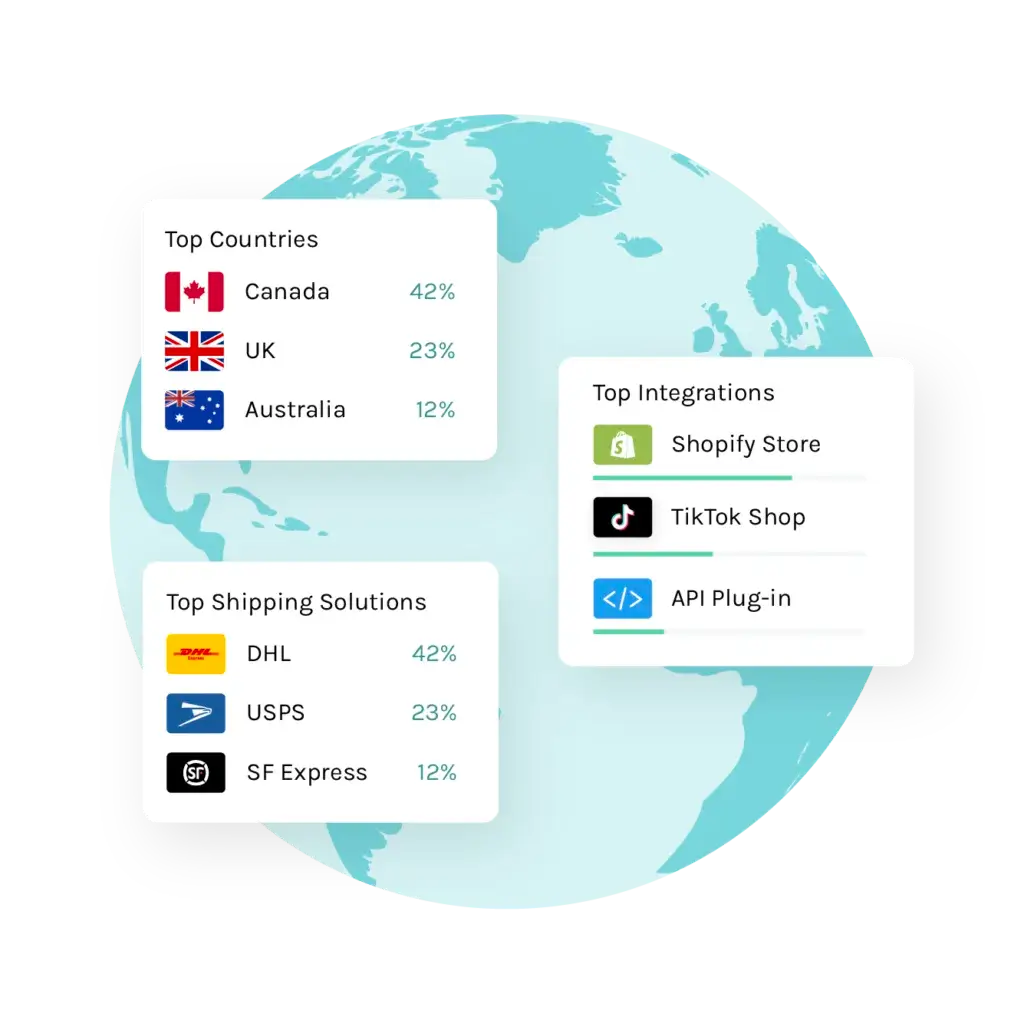
International shipping is where Easyship stands out most clearly. The platform includes tools for import tax and duty calculation, customs documentation, HS code support, and fully landed cost visibility.
This matters because cross-border orders often fail because of poor expectations. If customers do not understand duties, taxes, delivery timelines, or customs requirements before checkout, they may reject the delivery, contact support, or leave a negative review.
Easyship helps reduce that friction by making international shipping more transparent. You can show shipping options at checkout, calculate duties and taxes, and give customers a clearer view of the total cost before they complete the order.
Shipping Rates at Checkout
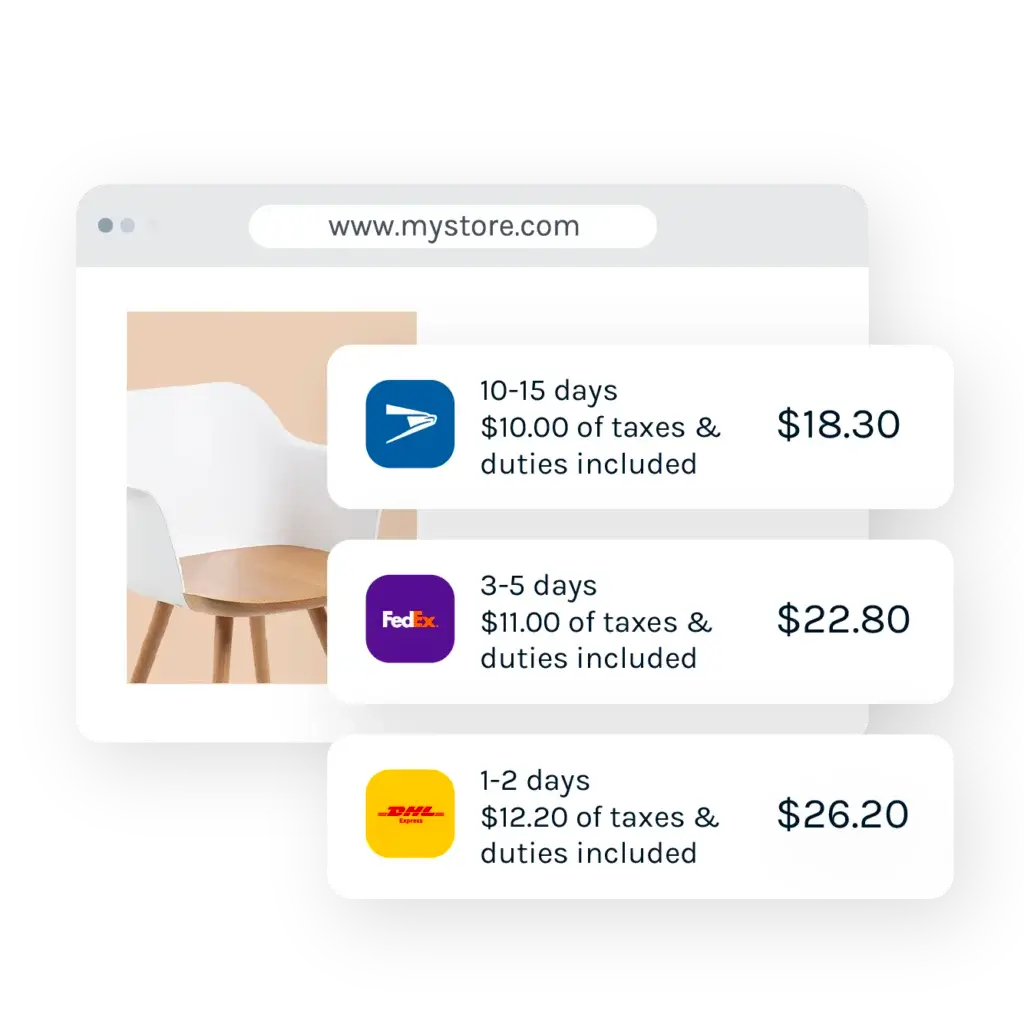
Easyship allows you to display real-time shipping rates at checkout on supported ecommerce platforms. Instead of offering a flat shipping fee or manually estimated delivery promise, you can show live courier options based on the customer’s address and order details.
This can improve conversion because customers can choose the delivery option that fits their needs. Some may prefer the lowest price. Others may pay more for faster delivery or stronger tracking.
For international sellers, rates at checkout are even more valuable. Showing fully landed costs can reduce surprises after purchase and help customers understand whether duties and taxes are included.
Shipping Rules and Automation
Easyship includes shipping rules that help you automate repetitive fulfillment decisions. You can create rules based on order value, destination, product type, package weight, courier, delivery speed, warehouse location, or other conditions.
For example, you can create automation rules that:
- Use a specific courier for orders going to a certain country.
- Exclude couriers that do not meet your tracking requirements.
- Route high-value orders to services with stronger delivery visibility.
- Apply a preferred box size for specific products.
- Prioritize faster services for express shipping orders.
This reduces manual work and helps your team make more consistent shipping decisions. It is especially useful when multiple people handle fulfillment or when your order volume grows beyond what one person can manage manually.
Batch Label Printing and Order Sync
Easyship can sync orders from connected stores and marketplaces, then allow your team to buy and print labels from one dashboard. This is much faster than copying order information into carrier portals manually.
Batch label printing is useful once your shipping volume grows. Instead of processing each order one by one, your team can filter orders, apply rules, select services, and print labels in batches.
Easyship also syncs tracking information back to supported ecommerce platforms, which helps reduce manual updates and customer service questions.
Branded Tracking and Customer Notifications
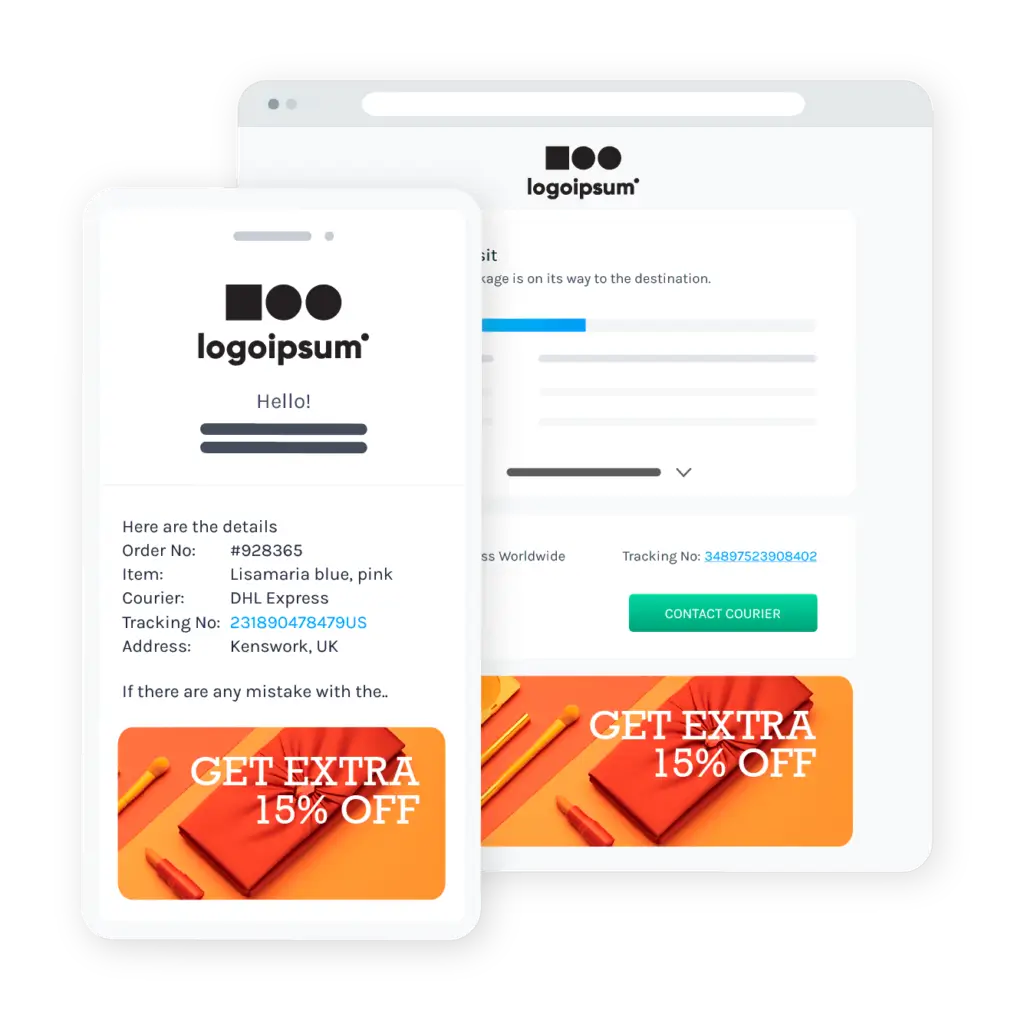
Easyship includes branded tracking tools that help you create a more professional post-purchase experience. Customers can receive tracking emails and access tracking pages that feel more connected to your brand.
This matters because tracking is one of the most viewed parts of the customer journey after checkout. A better tracking experience can reduce “where is my order?” tickets and help customers trust the delivery process.
For direct-to-consumer brands, branded tracking is more than a nice extra. It gives you another customer touchpoint after purchase, which can support retention and repeat sales.
Pre-Paid Return Labels
Easyship supports pre-paid return labels on higher plans. This can simplify returns because your team does not need to manually create a label every time a customer wants to send something back.
Returns are especially important for apparel, accessories, consumer electronics, beauty products, and other ecommerce categories where customers may need exchanges or refunds.
Easyship is not a full returns management platform in the same way as dedicated return software, but its pre-paid return label capability can reduce manual work for many ecommerce businesses.
Shipping API and Advanced Endpoints
Easyship offers both a dashboard and API access. This makes it useful for businesses that want a ready-to-use shipping platform as well as companies that need to build shipping into a custom workflow.
API capabilities can include multi-carrier rates, address validation, tax and duty calculation, HS code support, tracking, and courier account linking depending on the plan and usage allowances.
This is useful for custom ecommerce platforms, marketplaces, high-volume sellers, crowdfunding projects, and software teams that want to embed shipping logic directly into their own systems.
Workflow & User Experience
Ease of Use and Support Options
Setup and Onboarding
Easyship is relatively easy to set up if you use a common ecommerce platform. Connecting Shopify, WooCommerce, Amazon, eBay, Etsy, Wix, or another supported channel is usually more efficient than building a manual shipping process from scratch.
After connecting your store, you can configure shipping origins, package settings, courier preferences, checkout rates, tax and duty settings, branded tracking, automation rules, and return options.
The setup becomes more involved if you ship internationally, use multiple warehouses, need custom courier rules, or want to display landed costs at checkout. That is not a weakness of Easyship specifically. It reflects the fact that global shipping is complex.
Daily Shipping Workflow
A typical Easyship workflow starts when orders sync from your connected ecommerce channels. Your team can review orders, compare courier services, apply automation rules, print labels, and push tracking updates back to the original sales channel.
A common daily workflow looks like this:
- Orders sync into Easyship from connected stores or marketplaces.
- Your team reviews shipping options and courier recommendations.
- Automation rules apply preferred services, boxes, and routing logic.
- Labels and customs documents are generated.
- Tracking information is sent back to the store and customer.
This workflow is most valuable when shipping has become repetitive or international fulfillment is slowing your team down.
User Interface and Learning Curve
Easyship’s interface is designed to bring many shipping decisions into one place. You can manage labels, rates, tracking, courier choices, checkout settings, and rules from the same platform.
For simple domestic shipping, the platform is not difficult to understand. For international shipping, the learning curve is higher because you need to understand duties, taxes, customs data, HS codes, and courier limitations.
In my view, this is one of Easyship’s trade-offs. It gives you more control than a basic label tool, but that also means you should spend time configuring the platform properly.
Support and Help Resources
Easyship provides help center resources, onboarding support, live chat on supported plans, and phone support on higher plans. Shopify App Store reviews also frequently mention the value of Easyship’s support for international shipping and courier issues.
However, support expectations should be realistic. Easyship can help you manage shipping workflows, but courier delays, customs inspections, failed delivery attempts, and local carrier issues may still depend on third-party logistics providers.
If your business ships internationally every day, test support responsiveness during the trial. Pay attention to how quickly the team can help with courier configuration, customs questions, checkout rates, and tracking issues.
Best Practices for Setup
Easyship works best when you configure it as a shipping operations system, not just a label printer. The more precise your rules and checkout settings are, the better the platform performs.
- Connect all sales channels: Centralize your active stores and marketplaces before building rules.
- Define courier preferences: Choose couriers based on price, speed, tracking, and destination reliability.
- Configure package presets: Save common box sizes and weights to reduce manual label work.
- Set international rules carefully: Review duties, taxes, HS codes, and customs information.
- Test checkout rates: Place test orders for different countries before going live.
- Use branded tracking: Improve customer communication after purchase.
Pros and Cons
Advantages and Disadvantages
Positive
✅ Strong international shipping tools
✅ Large courier comparison network
✅ Live checkout rates
✅ Good automation and tracking
Negative
❌ Advanced features need paid plans
❌ International setup can be complex
❌ Courier issues still happen
❌ Not a full WMS replacement
Easyship is a strong shipping platform, but it is not the right fit for every seller. Its value depends heavily on your shipping volume, sales channels, international order mix, and need for automation.
✅ Pros
- Excellent for international shipping: Duties, taxes, customs tools, and courier comparison are major strengths.
- Large courier network: Easyship helps you compare many domestic and international delivery options.
- Discounted rates: Smaller sellers can access negotiated rates without direct carrier contracts.
- Checkout optimization: Live rates and landed cost visibility can improve customer trust.
- Automation rules: Shipping logic can reduce repetitive manual decisions.
- Branded tracking: Tracking pages and notifications improve the post-purchase experience.
- API access: Developers can build custom shipping workflows with advanced endpoints.
❌ Cons
- Paid plans unlock key tools: Checkout rates, courier account linking, returns, and phone support require higher tiers.
- International setup takes work: Duties, taxes, customs data, and HS codes need careful configuration.
- Courier performance varies: Easyship helps manage shipping, but carriers still control final delivery.
- Not a full warehouse system: Complex warehouse operations may still need a dedicated WMS.
- Support needs vary by plan: Lower-tier users may not get the same support access as larger accounts.
- Pricing can rise with volume: Growing teams may need Premier, Scale, or Enterprise.
Pricing
How Much Does Easyship Cost?
Easyship offers a free plan and several paid plans. Pricing can vary by market, billing cycle, shipment volume, and selected features, so you should always confirm the latest pricing on Easyship’s website before making a final decision.
At the time of this review, the main public plans are Free, Plus, Premier, Scale, and Enterprise. Easyship also promotes a 14-day free trial for paid plans and an annual billing discount.
| Plan | Starting Price | Best For | Key Features |
| Free | $0/month | Small sellers testing Easyship or shipping at low volume | Core shipping features, discounted rates, courier selection, import tax and duty calculation, smart box selection, and email support. |
| Plus | Starts at $29/month | Growing ecommerce stores that need checkout rates and automation | Everything in Free, shipping rates at checkout, link your own courier account, auto-sync orders, batch label printing, automation rules, and live chat support. |
| Premier | Starts at $69/month | Brands needing stronger international checkout and returns tools | Everything in Plus, display tax and duty at checkout, pre-generated return labels, multi-box shipping, and phone support. |
| Scale | Starts at $99/month | Higher-volume merchants and operational teams | Higher usage limits, expanded shipping workflows, API usage allowances, 24/7 live chat and phone support, and optional customer success services. |
| Enterprise | Custom pricing | Global brands, marketplaces, and complex shipping operations | Custom onboarding, enterprise support, global fulfillment add-ons, advanced API usage, and tailored shipping operations support. |
For most growing ecommerce brands, Plus is the first serious plan to consider because it unlocks checkout rates, automation, auto-sync, and the ability to link courier accounts. Premier is more relevant if international landed cost visibility and return labels are important. Scale is better for larger merchants that need higher usage allowances and stronger support.
Pricing Tips
- Start with real order data: Test Easyship using your actual products, package sizes, destinations, and couriers.
- Compare courier savings: Estimate whether discounted rates offset the monthly plan cost.
- Check international needs: If duties and taxes matter, compare Plus and Premier carefully.
- Review support access: Higher-volume teams should prioritize plans with stronger support.
- Watch API usage: Advanced API calls may have included limits and overage fees.
Common Use Cases
Who Should Use Easyship?
Easyship is best for ecommerce businesses that need more control over shipping costs, courier selection, international delivery, and customer-facing shipping options.
It can work well for:
- International ecommerce sellers that need duties, taxes, customs documents, and courier comparison.
- Shopify and WooCommerce stores that want live checkout rates and automated order syncing.
- Marketplace sellers selling across Amazon, eBay, Etsy, TikTok Shop, and other channels.
- DTC brands that want branded tracking and better post-purchase communication.
- Crowdfunding campaigns that need global fulfillment planning for backers.
- Growing stores that need rules, batch labels, and better courier selection.
- Developers and platforms that need shipping API capabilities.
Easyship is less ideal if you only ship a few domestic packages per month, use one carrier exclusively, or need a full warehouse management system with advanced inventory controls.
Best Fit by Business Stage
Early-stage sellers: Easyship’s Free plan can be useful for testing the platform and comparing rates. However, if you need checkout rates, automation, or courier account linking, you will likely need a paid plan.
Growing ecommerce brands: This is Easyship’s strongest fit. You can centralize shipping, improve checkout options, automate rules, and manage international orders with more confidence.
High-volume operations: Easyship can work for larger teams, especially with Scale or Enterprise. However, businesses with complex warehouse picking, inventory planning, or ERP requirements should compare Easyship with dedicated WMS and logistics platforms.
Compare with Others
Easyship vs. Competitors
Easyship competes with shipping platforms such as ShipStation, Shippo, PitneyShip, Pirate Ship, and ShippingEasy. The best option depends on your shipping volume, international needs, automation requirements, support expectations, and preferred ecommerce integrations.
| Feature Type | Easyship | ShipStation | Shippo | Pirate Ship |
| Best For | International ecommerce shipping and courier comparison | Multi-channel ecommerce fulfillment and automation | Simple labels, API shipping, and small business workflows | Low-cost USPS and UPS labels for small sellers |
| International Shipping | Very strong, with duties, taxes, customs, and landed cost tools | Strong, but more fulfillment workflow focused | Good, especially for simple cross-border labels | More limited for complex international workflows |
| Carrier Comparison | Excellent courier comparison across many services | Strong multi-carrier rate shopping | Good carrier comparison for common workflows | Focused mainly on USPS and UPS savings |
| Automation | Good shipping rules and checkout automation | Very strong automation and batch workflows | Useful basic automation and API options | Limited compared with full shipping platforms |
| Checkout Rates | Strong live rates and landed cost support | Available, but varies by setup and plan | Available on supported setups | Not the main strength |
| Returns | Pre-paid return labels on higher plans | Stronger returns and exchanges workflows on supported plans | Return label support | Basic return labels |
| Ideal User | Brands selling internationally or across multiple regions | Growing ecommerce teams with structured fulfillment needs | Sellers wanting simple labels and developer-friendly shipping | Very small sellers focused on simple discounted labels |
Analysis
Easyship is the better choice when international shipping is a central part of your business. Its strengths are courier comparison, duties and taxes, customs workflows, checkout rates, and global shipping visibility.
ShipStation is stronger when your main challenge is domestic multi-channel fulfillment, warehouse workflow, automation, and operational structure. Shippo is easier to recommend for sellers that want a simpler label and API platform. Pirate Ship is best for very small sellers that mainly want quick USPS and UPS savings without a more advanced shipping system.
In my view, Easyship is one of the better options for ecommerce brands that want to grow internationally without building a logistics stack from scratch. If your shipping is mostly domestic and warehouse-heavy, ShipStation may be a better fit. If cross-border shipping is your biggest pain point, Easyship is more compelling.
Conclusion
Final Thoughts
Easyship is a strong shipping platform for ecommerce businesses that want better rate comparison, international shipping tools, checkout visibility, automation, tracking, returns, and API flexibility.
Its biggest strength is cross-border shipping. Duties, taxes, customs documents, courier comparison, and landed cost visibility are difficult to manage manually. Easyship brings those pieces into one platform and makes global shipping more manageable for growing sellers.
The main caution is that Easyship is not just a basic label tool. To get the most value, you need to configure checkout rates, package settings, courier rules, tax and duty settings, and international workflows correctly. If you only ship a few domestic orders per month, it may be more platform than you need.
Overall, Easyship is a strong choice for ecommerce sellers that ship internationally, sell across multiple channels, and want to reduce the manual work involved in comparing couriers, printing labels, handling customs, and keeping customers informed after checkout.
Frequently Asked Questions
Have more questions?
What is Easyship?
Easyship is a cloud-based shipping platform for ecommerce businesses. It helps sellers compare courier rates, print labels, automate shipping rules, manage international shipping, calculate duties and taxes, send tracking updates, and connect ecommerce stores from one dashboard.
Is Easyship good for small businesses?
Yes. Easyship can work well for small businesses that ship regularly, especially if they need discounted rates, courier comparison, live checkout rates, or international shipping tools. Very low-volume domestic sellers may prefer a simpler label tool.
How much does Easyship cost?
Easyship offers a Free plan, while paid plans generally start with Plus at $29 per month, Premier at $69 per month, and Scale from $99 per month. Enterprise pricing is custom. Pricing may vary by country, billing cycle, and usage.
Does Easyship offer a free trial?
Yes. Easyship promotes a 14-day free trial for paid plans. It also offers a Free plan for sellers that want to start with core shipping features before upgrading.
Which ecommerce platforms does Easyship integrate with?
Easyship integrates with major ecommerce platforms and marketplaces, including Shopify, WooCommerce, Amazon, eBay, Etsy, Wix, Squarespace, TikTok Shop, and more. It also offers API access for custom shipping workflows.
Is Easyship good for international shipping?
Yes. International shipping is one of Easyship’s strongest use cases. The platform supports courier comparison, duties and taxes, customs documents, HS code tools, landed cost visibility, and international delivery options.
Can Easyship show live rates at checkout?
Yes. Easyship can display live shipping rates at checkout on supported ecommerce platforms. This helps customers compare delivery options by price, speed, and service level before completing their order.
Does Easyship support returns?
Yes. Easyship supports pre-paid return labels on higher plans. This can help ecommerce brands simplify returns, reduce manual label creation, and create a more consistent post-purchase workflow.
What are the main disadvantages of Easyship?
The main disadvantages are that advanced features require paid plans, international setup can take time, courier issues may still depend on third-party carriers, and Easyship is not a full warehouse management system for complex operations.
Who is Easyship best for?
Easyship is best for ecommerce sellers, DTC brands, marketplace sellers, crowdfunding campaigns, and growing online stores that need multi-carrier rate comparison, international shipping tools, checkout rates, tracking, and automation.