Introduction
Hiring globally can help you access stronger talent, enter new markets, and build a more flexible workforce. It can also create serious operational complexity if you need to understand local employment laws, payroll rules, benefits expectations, tax obligations, and worker classification risks in every country where you hire.
That is the exact problem Oyster HR is built to solve. In this Oyster HR review, you will get a practical look at what the platform does well, where it has limitations, how its pricing works, and which type of company will get the most value from it in 2026.
Oyster is not a traditional HRIS like BambooHR or HiBob. It is a global employment platform focused on Employer of Record services, contractor management, global payroll, benefits, compliance support, and international workforce operations. That makes it especially relevant if you want to hire people in countries where your company does not already have a legal entity.
What Is Oyster HR?
Oyster HR is a global employment platform that helps companies hire, pay, and manage international employees and contractors. Its core value is that you can employ people in many countries without setting up your own local entity first.
Through its Employer of Record service, Oyster can act as the legal employer for international full-time employees while your company manages the employee’s day-to-day work. Oyster handles local employment contracts, payroll, taxes, benefits, onboarding, offboarding, and compliance administration.
Background and Positioning
Oyster positions itself as a global hiring and employment platform for distributed teams. Its current product structure includes Employer of Record, Global Contractors, Salary Insights, Employee Benefits, Visa Sponsorship, US PEO, People Partner Services, integrations, API access, and global employment tools.
This positioning matters because Oyster is not only selling software. It is selling a combination of platform automation, local employment infrastructure, payroll operations, compliance expertise, and HR advisory support.
Target Users and Use Cases
Oyster HR is especially relevant for several buyer types:
- Companies hiring internationally – You can hire in countries where you do not own an entity.
- Remote-first teams – Oyster helps manage distributed employees and contractors across borders.
- Startups expanding talent searches – You can access international talent without opening local offices.
- HR teams managing compliance risk – Oyster supports employment contracts, payroll, benefits, and classification workflows.
- Companies using contractors globally – Oyster helps manage contracts, invoices, payments, and misclassification risk.
That said, Oyster is not the best fit if you only need basic employee record storage, domestic payroll, or a low-cost HR system for one country. Its strongest value appears when your company needs global hiring infrastructure, not just HR administration.
Core Features
How Does Oyster HR Work?
Oyster HR works by combining global employment infrastructure with software workflows. Instead of forcing you to open an entity in every country, Oyster gives you a way to engage employees and contractors through one platform while it manages much of the local compliance administration.
Employer of Record for Global Employees
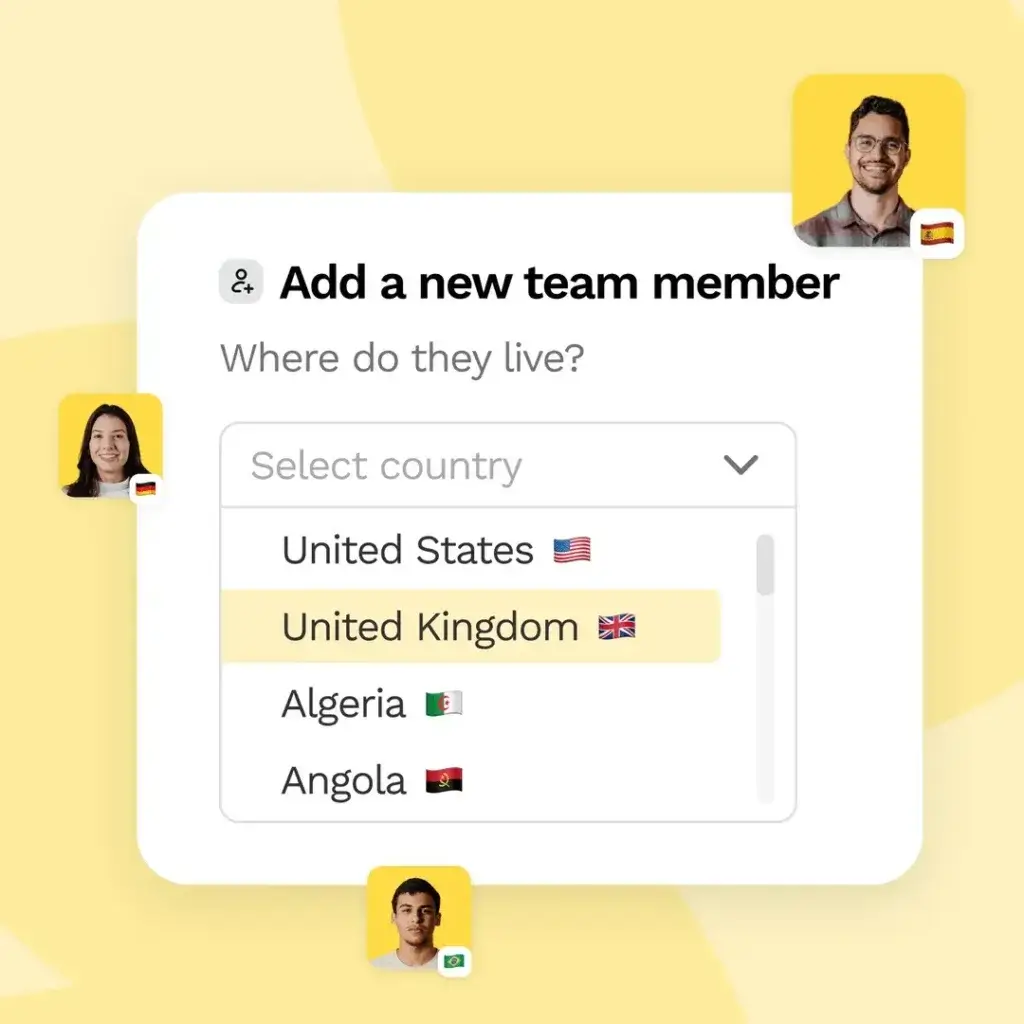
Oyster’s Employer of Record service is the main reason many companies evaluate the platform. If you want to hire a full-time employee in a country where your company does not have an entity, Oyster can become the legal employer and handle local employment administration.
That includes localized employment contracts, payroll, tax withholding, statutory benefits, onboarding support, and offboarding administration. Your company still manages the employee’s work, role, goals, communication, and performance.
Global Contractor Management
Oyster also offers contractor management for companies that hire freelancers, consultants, or short-term international talent. You can generate contracts, onboard contractors, manage invoices, process expenses, and pay contractors in many currencies.
This is useful if your company already works with international freelancers and wants fewer manual spreadsheets, bank transfers, and contract templates. It is also useful if you want stronger classification guardrails before deciding whether a worker should remain a contractor or become an employee through EOR.
Global Payroll Workflows
Oyster supports payroll for global workers through its employment and payroll infrastructure. For EOR employees, Oyster handles payroll as part of the employment relationship. For broader payroll needs, Oyster has also been expanding its global payroll capabilities for companies managing international payroll across multiple markets.
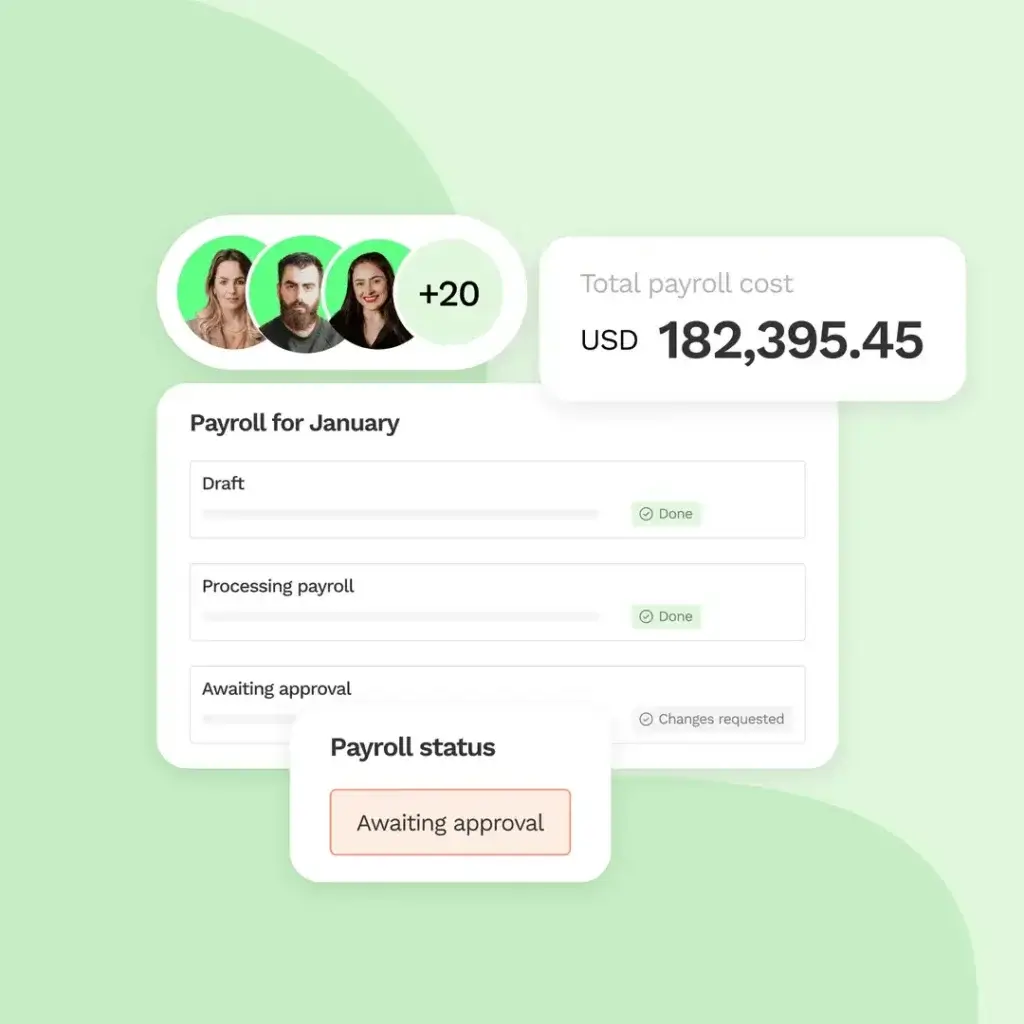
The key benefit is centralization. Rather than running country-by-country payroll through separate vendors, Oyster helps you manage payroll workflows, payment approvals, salary data, taxes, deductions, and local compliance from a more unified operating layer.
Onboarding and Offboarding
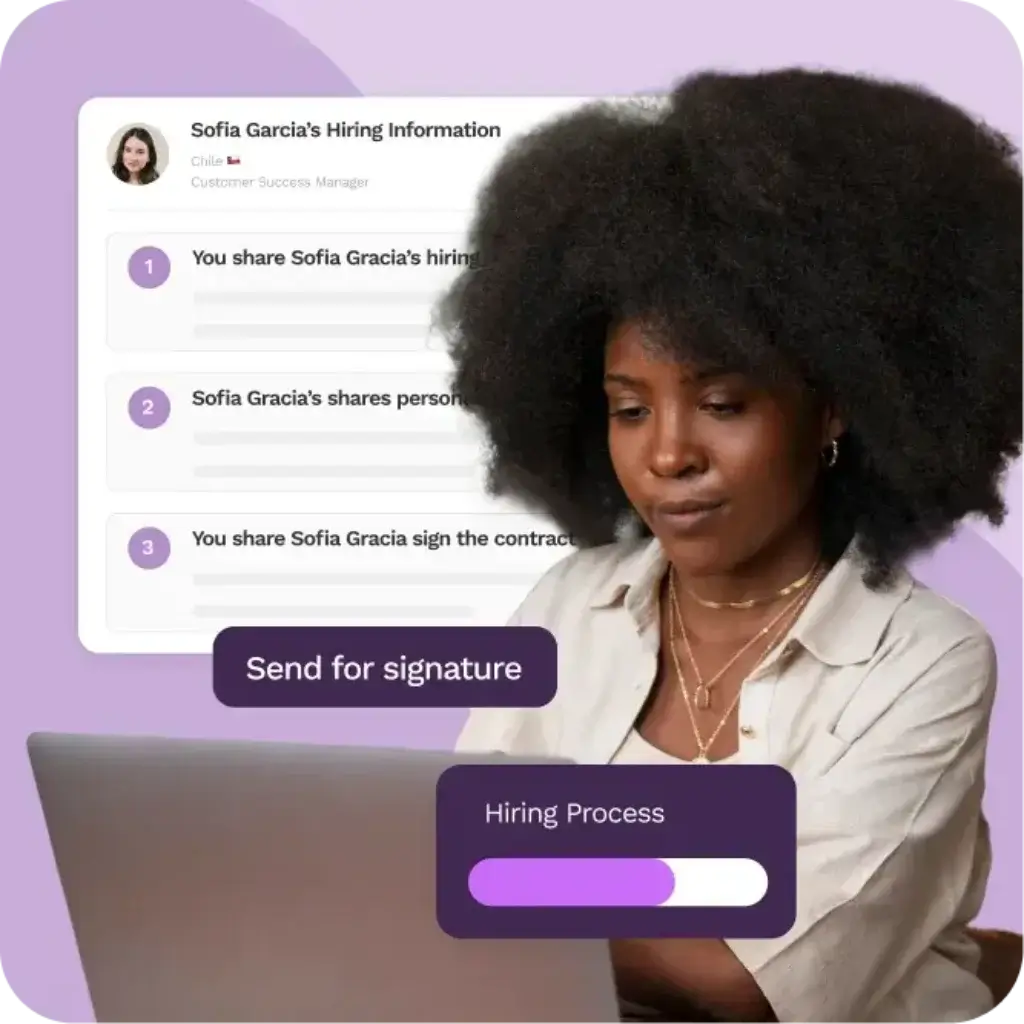
Onboarding is one of Oyster’s strongest use cases. When you hire through the platform, Oyster helps generate localized contracts, collect employee details, coordinate documents, set up payroll, and prepare the worker for their start date.
Offboarding is also important because termination rules vary significantly by country. Oyster helps guide the process so that notice periods, final pay, local requirements, and documentation are handled more carefully than they would be in a purely manual process.
Benefits and Local Employment Support
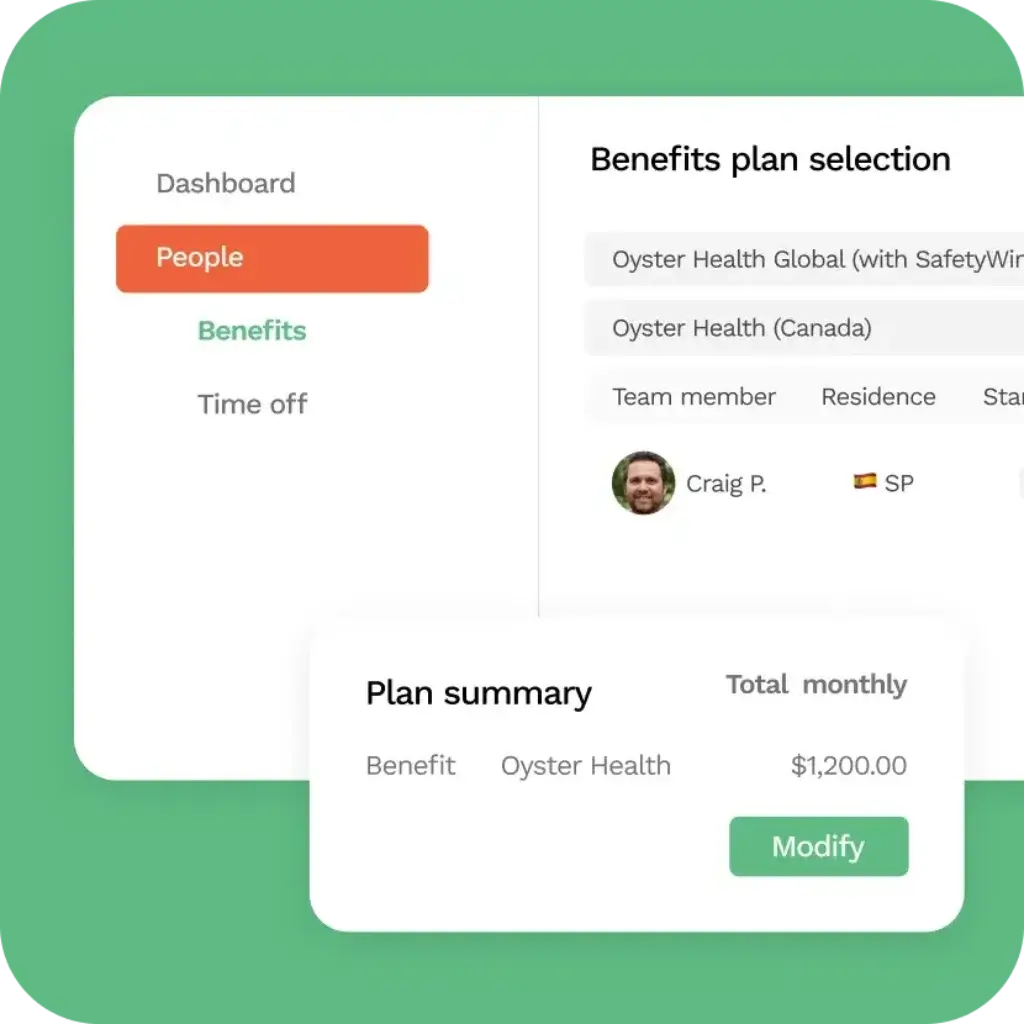
Global hiring is not only about paying salary. Employees expect benefits that match local norms, and some benefits are legally required. Oyster helps companies offer compliant and competitive benefits packages depending on the country and employment setup.
This is one of the areas where an EOR can be much more practical than trying to manage every country yourself. However, benefits setup can still be country-specific, so you should clarify timelines, plan options, and employee experience before you hire in a new market.
Salary Insights and Employment Cost Planning
Oyster includes salary insights and employment cost tools that help you estimate hiring costs by country. This matters because the listed salary is rarely the full employer cost. You may also need to account for employer taxes, statutory contributions, local benefits, bonuses, paid leave, severance exposure, and currency considerations.
For finance and HR teams, this can make global hiring decisions more realistic. You can compare markets before making an offer and avoid surprises after the employment contract is already in motion.
Visa Sponsorship and Mobility Support
Oyster also offers visa sponsorship support as an add-on. This can help companies sponsor visas, support relocation processes, and manage immigration-related documentation when hiring or moving international workers.
This is not relevant for every buyer, but it can be valuable if your hiring strategy includes relocating candidates or retaining employees who need work authorization support.
International Hiring Capabilities
Oyster HR Global Employment and Compliance
The biggest reason to consider Oyster is compliance. International employment creates risk because every country has different rules for contracts, probation periods, benefits, paid leave, terminations, tax registration, worker classification, and intellectual property protection.
Hiring Without Opening a Local Entity
Opening a legal entity in a new country can be expensive and slow. It often requires legal setup, local accounting, banking, payroll registration, tax compliance, and ongoing administration.
Oyster gives you a more flexible alternative. You can hire employees through its EOR model and test new markets without committing to full local entity setup. This is especially useful when you want to hire one or a few people in a country before deciding whether to build a larger local presence.
Localized Employment Contracts
Employment contracts are one of the first areas where global hiring can go wrong. A contract that works in one country may not satisfy local requirements in another.
Oyster helps generate localized agreements based on country-specific employment rules. This reduces the risk of relying on generic templates and gives your HR team a more structured process for hiring internationally.
Payroll, Taxes, and Statutory Requirements
Payroll compliance becomes more complex as soon as you hire outside your home country. You need to calculate salary, withhold taxes, manage employer contributions, apply statutory benefits, produce payslips, and meet local filing deadlines.
Oyster helps manage these obligations through its platform and local employment infrastructure. For HR and finance teams, that can reduce the need to coordinate multiple local payroll vendors for every country.
Contractor Misclassification Risk
Worker classification is one of the most important risks in global hiring. A contractor may be treated as an employee by local authorities if the working relationship looks like employment, even if both sides signed a contractor agreement.
Oyster’s contractor product includes classification-focused workflows and an employee misclassification analyzer. This is useful because it encourages buyers to think about whether a worker should be engaged as a contractor, hired through an EOR, or managed through another structure.
Global Coverage
Oyster promotes broad global coverage across EOR and contractor use cases. Its EOR offering is positioned around compliant employment in 120+ countries, while its contractor product supports hiring and payments across a wider contractor footprint.
For most companies, the practical recommendation is simple: do not evaluate only the headline country count. Confirm the exact country, role type, benefits needs, contract requirements, payroll timeline, and support model before extending an offer.
Pros and Cons
Benefits and Limitations of Using Oyster HR
Positive
✅ Strong global EOR coverage
✅ User-friendly onboarding experience
✅ Good contractor management tools
✅ Transparent starting prices
Negative
❌ EOR costs can become expensive
❌ Not a full HRIS replacement
❌ Benefits setup can vary by country
❌ Integration depth may not satisfy every team
Strengths & Benefits
Oyster is a strong choice if your company wants to hire internationally without building employment infrastructure country by country.
- Strong global EOR coverage – Oyster helps companies employ international workers without setting up local entities.
- User-friendly onboarding experience – The platform makes contracts, documents, payroll setup, and employee data easier to manage.
- Good contractor management tools – You can manage contracts, invoices, expenses, payments, and classification risk in one place.
- Transparent starting prices – Oyster publishes starting prices for EOR, contractors, US PEO, and HR advisory services.
Limitations & Drawbacks
Oyster is useful, but it is not the right answer for every HR buyer.
- EOR costs can become expensive – Monthly EOR fees are only one part of the total global employment cost.
- Not a full HRIS replacement – Oyster is strongest for global employment, not broad internal HR management.
- Benefits setup can vary by country – Employee benefits timelines and options should be checked before hiring.
- Integration depth may not satisfy every team – Some companies may still need a separate HRIS or ATS as their main system of record.
Operational Fit
Oyster HR User Experience, Support, and Security
Oyster’s value depends heavily on the operational experience. A global employment platform needs to be easy for HR admins, finance teams, managers, employees, and contractors to use.
Ease of Use
Ease of use is one of the strongest themes in Oyster HR reviews. Users commonly mention that the platform is clear, organized, and easy to navigate for onboarding, payment visibility, documents, and support requests.
This matters because global employment can feel intimidating for both HR teams and workers. If the platform gives employees a clear place to view contracts, payslips, invoices, benefits, and support, the international work experience becomes more professional.
Implementation Experience
Oyster is generally easier to implement than opening local entities or coordinating separate payroll vendors manually. Still, it is not entirely effortless.
You need to provide accurate company information, role details, compensation data, worker details, benefits choices, and country-specific information. If your hiring plans cover several countries at once, implementation planning becomes more important.
Customer Support
Customer support appears to be one of Oyster’s better strengths. Many users mention responsive support, professional communication, and helpful guidance during onboarding or payroll questions.
That said, support quality can depend on the complexity of the case. Benefits setup, country-specific employment questions, visa needs, terminations, and payroll exceptions require more careful handling than standard platform navigation questions.
Security and Data Protection
Oyster handles sensitive HR, payroll, identity, tax, and employment data, so security should be part of your evaluation. Oyster publicly highlights SOC 2 Type II controls, regular penetration testing, security practices, privacy design principles, and data protection procedures.
For global companies, this is important because HR platforms do not only store operational data. They store personally identifiable information, compensation details, bank information, contracts, and compliance documentation.
Employee and Contractor Experience
Oyster is not only used by HR admins. Employees and contractors also interact with the platform for onboarding, payments, invoices, payslips, documents, benefits, and help requests.
That user-facing experience is one of the reasons Oyster tends to receive positive feedback. However, buyers should still test the worker experience in the countries that matter most to them, especially if benefits, payment timing, or local documentation are critical.
Pricing
Oyster HR Pricing & Plans
Oyster is more transparent than many global employment providers because it publishes starting prices for several products. However, you still need to calculate the full cost carefully because global employment includes more than the platform fee.
Employer of Record Pricing
Oyster’s Employer of Record plan starts at USD 699 per employee per month. This plan is designed for companies that want to hire full-time workers internationally without opening a local entity.
The EOR fee sits on top of salary, employer taxes, statutory contributions, benefits, insurance, and any country-specific employment costs. That means your total monthly cost will vary by country and compensation package.
Global Contractor Pricing
Oyster’s Global Contractors plan is free for 30 days and then starts at USD 29 per contractor per month. This includes contractor contracts, contractor payments, onboarding, invoice and expense management, and classification-related tools.
This pricing is much more accessible than EOR pricing, but contractor use is not always appropriate. If the working relationship looks like employment, the lower cost of contractor management may not justify the classification risk.
US PEO Pricing
Oyster also lists US PEO pricing from USD 114 per employee per month. This is designed for companies that want to outsource US payroll, benefits, HR administration, and compliance through a co-employment model.
This is a different use case from international EOR. It is relevant when you employ people in the United States and want support for payroll, benefits, HR admin, and compliance operations.
People Partner Services Pricing
Oyster’s People Partner Services are listed at USD 300 per hour. This is an advisory offering for companies that need expert HR help with global workforce questions, people strategy, country-specific situations, or complex workforce projects.
This can be useful if your HR team is lean or if you are entering unfamiliar countries. It can also increase your total cost if you rely heavily on advisory support during expansion.
Pricing Table
The table below gives a practical view of Oyster’s current pricing structure.
| Product | Starting Price | Best For |
| Employer of Record | USD 699 per employee/month | Hiring full-time employees internationally without a local entity |
| Global Contractors | Free for 30 days, then USD 29 per contractor/month | Hiring, paying, and managing international contractors |
| US PEO | USD 114 per employee/month | Outsourcing US payroll, benefits, HR admin, and compliance |
| People Partner Services | USD 300 per hour | HR advisory support for global workforce questions |
| Add-ons | Varies by need | Benefits, visa sponsorship, salary insights, and other services |
Oyster’s pricing is reasonable for companies that truly need global employment infrastructure. It may feel expensive if you compare it with domestic HR software, but that is not the right comparison. The real comparison is the cost of local entity setup, local payroll vendors, legal work, tax administration, and compliance risk.
Use Cases
Who Should Use Oyster HR?
Oyster is a strong fit for companies that need to hire beyond their home country without creating unnecessary legal and payroll complexity.
Remote-First and Distributed Companies
If your hiring strategy is not limited by geography, Oyster can help you turn international hiring from a legal project into a repeatable process. You can hire full-time employees or contractors in different countries while keeping workflows more centralized.
Startups Hiring Global Talent
Startups often need talent before they have the resources to open entities in every country. Oyster gives these companies a practical way to hire internationally while avoiding much of the upfront administrative burden.
Companies Testing New Markets
If you want to hire a small number of employees in a new country, an EOR can be more practical than entity setup. Oyster is especially useful when you want to test a market before committing to long-term local infrastructure.
HR Teams Managing Contractor Risk
If your company uses international contractors, Oyster can help standardize contracts, payments, invoices, and classification workflows. That can reduce messy manual processes and create a better experience for contractors.
When Oyster Might Not Be Right
Oyster may not be the best fit if you only hire domestically, need a full HRIS for internal performance and engagement, want the cheapest possible payroll tool, or already have strong local entities and payroll vendors in every country where you operate.
It also may not be ideal if you want one platform to replace your ATS, HRIS, performance management system, learning platform, and payroll stack. Oyster can integrate into a broader HR ecosystem, but it is not designed to replace every HR software category.
User Feedback
Oyster HR Customer Reviews
Oyster HR reviews are generally positive, especially around ease of use, onboarding, support, payment visibility, and the ability to hire internationally. The review pattern suggests that Oyster solves a clear pain point for companies and workers operating across borders.
What Users Like Most
Users often praise Oyster for being simple to navigate, clear during onboarding, useful for international payments, and helpful for managing employment documents. HR and operations users also value the ability to hire people in countries where the company does not have an entity.
Another common positive theme is support. Many users mention quick responses, professional communication, and helpful guidance when they have questions about onboarding, payments, or local employment administration.
Common Complaints
The most common complaints are not necessarily about the core EOR model. They are more often about operational details such as benefits onboarding timelines, payment timing, mobile app experience, or the need for deeper integrations with HRIS and ATS systems.
Some users also mention cost. This is expected because EOR services are naturally more expensive than domestic payroll software or basic HR tools.
My Take on the Review Pattern
The review pattern is consistent with Oyster’s positioning. Users value the platform most when they need to solve international hiring, payroll, and compliance problems. They are less likely to see full value if they expect Oyster to behave like a complete internal HRIS.
My view is that Oyster should be evaluated as global employment infrastructure first and HR software second. When judged that way, it is a strong product with a clear place in the HR tech stack.
Competitors
Oyster HR Alternatives and Competitors
Oyster is most often compared with Deel, Remote, Rippling, and Papaya Global. The best alternative depends on whether you prioritize global hiring speed, payroll depth, contractor management, owned-entity coverage, HRIS functionality, or broader workforce operations.
| Feature Type | Oyster HR | Deel | Remote | Rippling |
| Core angle | Global employment and contractor management | Broad global HR, EOR, contractors, and payroll | Owned-entity-focused global employment platform | HR, IT, payroll, and workforce operations |
| Best for | Distributed companies hiring internationally | Companies wanting broad global workforce tools | Companies prioritizing EOR control and owned infrastructure | Companies wanting HR plus IT automation |
| EOR strength | Strong global EOR coverage | Very strong EOR and contractor footprint | Strong owned-entity positioning | Strong where available, broader operations focus |
| Contractor management | Strong and affordable starting price | Very strong contractor workflows | Solid contractor support | Useful, but not always the main reason to buy |
| HRIS depth | More limited than full HRIS platforms | Expanding HR tools | Focused more on global employment | Stronger HRIS and employee operations |
| Overall angle | Best for compliant global hiring with a clear EOR focus | Best for broad global workforce management | Best for companies that value owned-entity EOR coverage | Best for companies combining HR, IT, and payroll operations |
Compared with Deel, Oyster feels more focused on global employment and contractor operations, while Deel has become broader across HR, payroll, compliance, immigration, and workforce management. Deel is often the stronger choice if you want the widest global workforce suite.
Compared with Remote, Oyster competes more directly in EOR and contractor management. Remote may appeal to companies that prioritize owned-entity infrastructure, while Oyster may appeal to teams that value a user-friendly platform, ethical employment positioning, and transparent starting prices.
Compared with Rippling, Oyster is more specialized in international employment. Rippling is stronger if your priority is a wider HR, IT, app, device, and payroll operating system. Oyster is stronger if your immediate challenge is hiring and paying people abroad.
Overall, Oyster is not trying to be every HR system at once. It is best when you need global employment infrastructure that fits into your existing HR stack.
Best Practices
Getting Started with Oyster HR
To get the most value from Oyster, you should treat global hiring as a structured workflow, not just a software purchase.
Confirm the Country and Worker Type First
Before you start onboarding, decide whether the person should be an employee, contractor, or US PEO employee. The right structure depends on local law, work arrangement, control, duration, benefits expectations, and risk tolerance.
Calculate Total Employment Cost
Do not evaluate Oyster only by the monthly platform fee. Add salary, employer taxes, benefits, statutory contributions, local requirements, and any add-ons before making a hiring decision.
Clarify Benefits Before Making an Offer
Benefits can influence employee acceptance and satisfaction. Before you make an offer, confirm which benefits are available in the target country, what is mandatory, what is optional, and how long setup takes.
Connect Oyster to Your HR Stack
If you already use an HRIS, ATS, finance tool, or workflow platform, review Oyster’s integrations and API options early. This helps avoid duplicate data entry and keeps global workers aligned with your broader people operations.
Build a Repeatable Global Hiring Process
Oyster becomes more valuable when you standardize the steps for new countries, new roles, approvals, salary benchmarking, contract generation, onboarding, payroll setup, and manager communication.
Conclusion
Final Thoughts
⭐ Overall Rating: 9.1/10
Oyster HR is one of the stronger global employment platforms for companies that want to hire, pay, and manage international employees and contractors without building local entities in every country.
Its biggest strengths are EOR coverage, contractor management, user-friendly onboarding, transparent starting prices, and strong fit for remote-first companies. It is especially useful when your company wants to access international talent quickly while reducing payroll, contract, benefits, and compliance complexity.
Its limitations are also important. Oyster is not a full HRIS replacement, EOR pricing can become expensive, benefits setup can vary by country, and some teams may want deeper integrations with their existing HR and recruiting systems.
Overall, Oyster is a strong recommendation for companies that need global employment infrastructure. If your main challenge is hiring talent across borders without creating legal entities, Oyster deserves serious consideration in 2026.
Frequently Asked Questions
Have more questions?
What is Oyster HR used for?
Oyster HR is used to hire, pay, and manage international employees and contractors. Its main use cases include Employer of Record services, contractor management, global payroll, benefits, onboarding, and compliance support.
Is Oyster HR an Employer of Record?
Yes. Oyster HR offers Employer of Record services that help companies hire full-time employees in countries where they do not have a local legal entity.
How much does Oyster HR cost?
Oyster HR lists Employer of Record pricing from USD 699 per employee per month, Global Contractors from USD 29 per contractor per month after a free 30-day period, US PEO from USD 114 per employee per month, and People Partner Services from USD 300 per hour.
Does Oyster HR support contractors?
Yes. Oyster HR supports contractor hiring, contracts, onboarding, invoices, expenses, payments, and misclassification-related workflows for international contractor management.
Is Oyster HR good for small businesses?
Oyster HR can be useful for small businesses that hire internationally, especially startups and remote-first teams. However, it may be too expensive or specialized if you only need basic HR software or domestic payroll.
Does Oyster HR replace an HRIS?
Not completely. Oyster HR is strongest for global employment, EOR, contractor management, payroll, and compliance. Many companies still use a separate HRIS for broader employee records, performance, engagement, and internal HR workflows.
What countries does Oyster HR support?
Oyster HR promotes broad global coverage, including EOR support in many countries and contractor management across a wider international footprint. You should confirm availability for your specific country, worker type, benefits needs, and payroll timeline before hiring.
Is Oyster HR secure?
Oyster HR publicly highlights SOC 2 Type II controls, regular penetration testing, privacy practices, and security procedures. Because the platform handles sensitive HR and payroll data, buyers should still review security documentation during procurement.
What are the best Oyster HR alternatives?
The main Oyster HR alternatives include Deel, Remote, Rippling, and Papaya Global. Deel is strong for broad global workforce management, Remote emphasizes owned-entity EOR infrastructure, Rippling is stronger for HR and IT operations, and Papaya Global is strong for global payroll complexity.
Is Oyster HR worth it?
Yes, Oyster HR is worth considering if you need to hire internationally without opening local entities. It is less compelling if you only need domestic HR software, a basic HRIS, or the lowest-cost payroll tool.